$100 million in medical R&D. Acumen saw a second market nobody else was looking at.
The best use for a technology isn't always the one it was built for.
/
Challenge
(01)
Venture Building | Technology Transfer
Over $100 million in federal funding had been invested in developing advanced dexterous manipulation technology through a DARPA program at a leading research university. We saw a different path. Acumen, through a portfolio company that was part of the program, saw something else entirely: the same sensor, actuation, and control systems that could restore function to a human limb could dramatically improve how military and law enforcement robots handle explosives and hazardous materials.
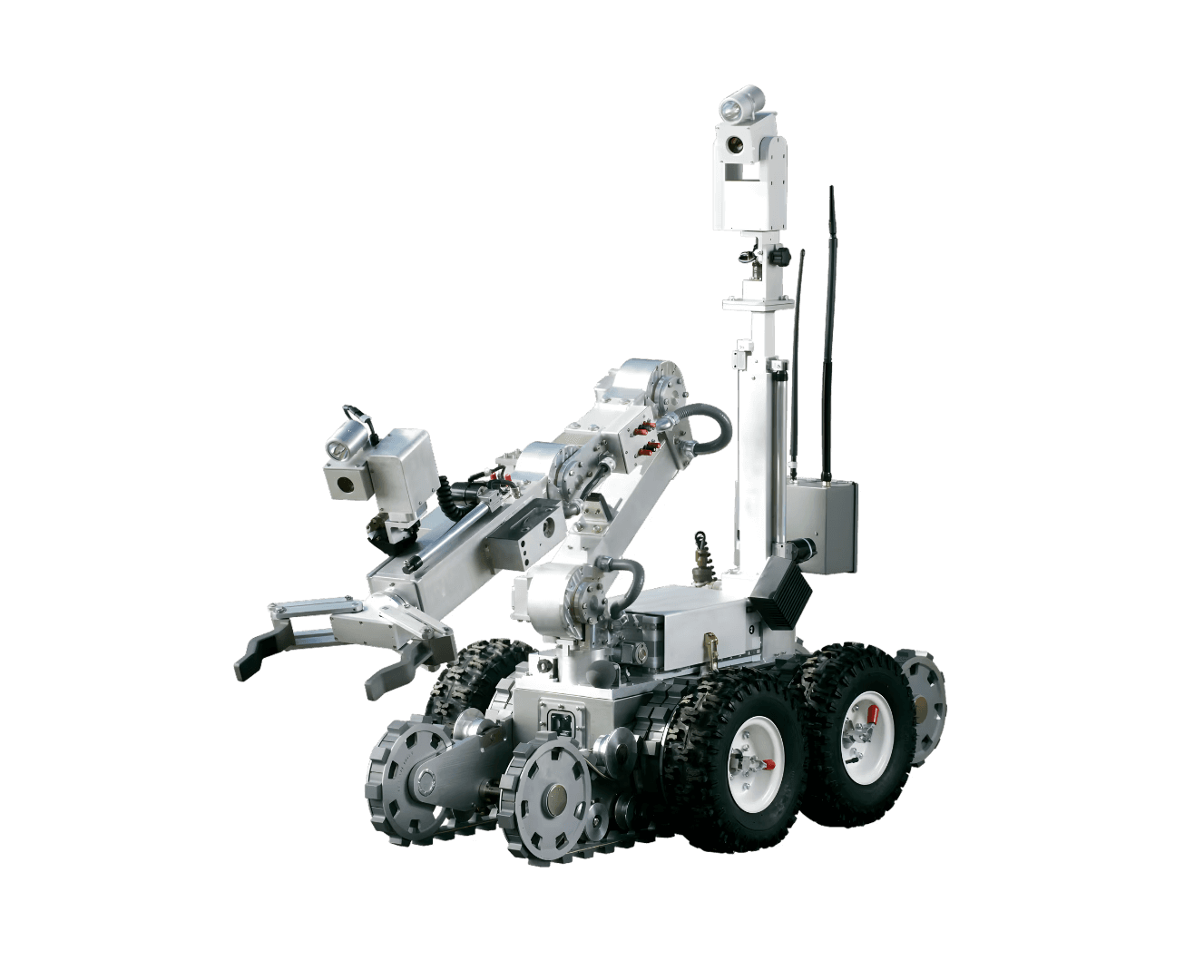
More than 3,000 mobile robotic platforms were deployed in military operations, and thousands more in domestic law enforcement. Every one of them had the same problem: primitive manipulation capabilities that forced human operators closer to danger than they needed to be. The technology to fix this existed. It just lived in a medical research lab, and nobody had connected the dots to defense applications. Bridging that gap required someone who understood both worlds and could move between them.
Acumen licensed the intellectual property from the research program and built collaborative partnerships with major defense contractors to integrate the manipulation technology into their mobile ground robotic platforms. The work spanned system architecture, user interface design, and haptic feedback systems that let operators feel what the robot was touching. This wasn't a consulting engagement. Acumen's team worked directly alongside the defense engineers to make the integration work.
Defense contractors integrated the technology into mobile platforms used for explosive ordnance disposal and hazardous material handling, keeping servicemembers and first responders further from harm.
The best use for a technology isn't always the one it was built for.
Latest Projects.
A curated selection of projects that reflect our commitment to simplicity and purposeful design.


$100 million in medical R&D. Acumen saw a second market nobody else was looking at.
The best use for a technology isn't always the one it was built for.
/
Challenge
(01)
Venture Building | Technology Transfer
Over $100 million in federal funding had been invested in developing advanced dexterous manipulation technology through a DARPA program at a leading research university. We saw a different path. Acumen, through a portfolio company that was part of the program, saw something else entirely: the same sensor, actuation, and control systems that could restore function to a human limb could dramatically improve how military and law enforcement robots handle explosives and hazardous materials.
More than 3,000 mobile robotic platforms were deployed in military operations, and thousands more in domestic law enforcement. Every one of them had the same problem: primitive manipulation capabilities that forced human operators closer to danger than they needed to be. The technology to fix this existed. It just lived in a medical research lab, and nobody had connected the dots to defense applications. Bridging that gap required someone who understood both worlds and could move between them.
Acumen licensed the intellectual property from the research program and built collaborative partnerships with major defense contractors to integrate the manipulation technology into their mobile ground robotic platforms. The work spanned system architecture, user interface design, and haptic feedback systems that let operators feel what the robot was touching. This wasn't a consulting engagement. Acumen's team worked directly alongside the defense engineers to make the integration work.
Defense contractors integrated the technology into mobile platforms used for explosive ordnance disposal and hazardous material handling, keeping servicemembers and first responders further from harm.
The best use for a technology isn't always the one it was built for.
More Success Stories
A curated selection of projects that reflect our commitment to simplicity and purposeful design.
$100 million in medical R&D. Acumen saw a second market nobody else was looking at.
If your business doesn't fit the standard playbook, that's usually a sign of value that hasn't been captured yet.
/
Challenge
(01)
Venture Building | Technology Transfer
Over $100 million in federal funding had been invested in developing advanced dexterous manipulation technology through a DARPA program at a leading research university. We saw a different path. Acumen, through a portfolio company that was part of the program, saw something else entirely: the same sensor, actuation, and control systems that could restore function to a human limb could dramatically improve how military and law enforcement robots handle explosives and hazardous materials.
More than 3,000 mobile robotic platforms were deployed in military operations, and thousands more in domestic law enforcement. Every one of them had the same problem: primitive manipulation capabilities that forced human operators closer to danger than they needed to be. The technology to fix this existed. It just lived in a medical research lab, and nobody had connected the dots to defense applications. Bridging that gap required someone who understood both worlds and could move between them.
Acumen licensed the intellectual property from the research program and built collaborative partnerships with major defense contractors to integrate the manipulation technology into their mobile ground robotic platforms. The work spanned system architecture, user interface design, and haptic feedback systems that let operators feel what the robot was touching. This wasn't a consulting engagement. Acumen's team worked directly alongside the defense engineers to make the integration work.
Defense contractors integrated the technology into mobile platforms used for explosive ordnance disposal and hazardous material handling, keeping servicemembers and first responders further from harm.
The best use for a technology isn't always the one it was built for.
More Success Stories
A curated selection of of our success stories that reflect our commitment to simplicity and purposeful impact.